
We live in a digital age. Nearly every part of daily life—shopping, driving, communicating, even reading—is shaped by technology. Smartphones, smart cars, and smart homes promise us convenience and efficiency. Even the way we worship has been transformed. But while digital tools offer certain benefits, they also carry a real danger: the weakening of our communal worship and fellowship with one another in Christ.
A few decades ago, churches hesitated to use screens in the sanctuary. Today, hardly anyone questions it. Scripture verses appear on the projector; song lyrics scroll across the screen. It’s convenient—but it also means fewer people bring their physical Bibles to worship. Then came COVID-19, accelerating the normalization of livestream and pre-recorded services. Watching a sermon on YouTube has become as common as watching a cooking tutorial. The result? Worship is increasingly reduced to a “viewing experience.” We can quit worship service if we don’t like it.
This shift may seem harmless—even helpful. After all, isn’t God omnipresent? Doesn’t he hear our prayers whether we’re in a pew or in our pajamas? Yes, God is everywhere. But worship isn’t merely about convenience. It’s about presence—our presence before God, and our presence with one another.
The early church understood this well. Hebrews 10:24–25 reminds us: “And let us consider how to stir up one another to love and good works, not neglecting to meet together, as is the habit of some, but encouraging one another, and all the more as you see the Day drawing near.”
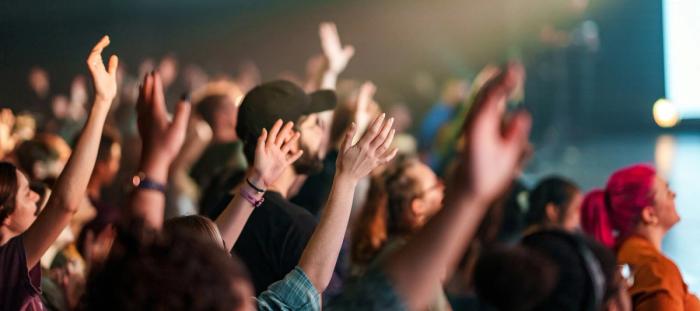
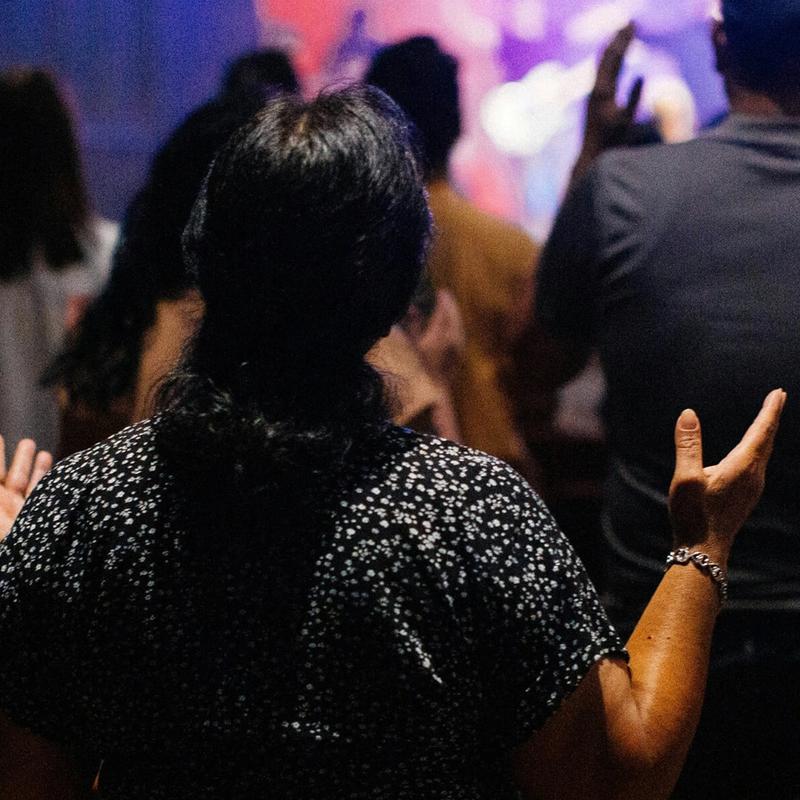
Something sacred happens when God’s people gather—not just when we sing, not just when we hear a sermon, but when we enter into the full rhythm of worship together: praying, confessing, listening, partaking, and rejoicing—in the same place, at the same time, as the body of Christ.
Too often today, worship is mistaken for spiritual entertainment: a good band, a charismatic speaker, a moving video. But true worship is not a performance we watch. It is a communal offering we bring before God.
Online sermons and livestreams have their place—especially for the sick, elderly, or those in crisis. But they are supplements, not substitutes. Watching a service online may help us learn, but it cannot replace the spiritual nourishment that comes from gathering with the people of God. As Jesus promised in Matthew 18:20: “For where two or three are gathered in my name, there am I among them.”
Worship is not an individualistic event. It’s not about what “I get out of it.” It’s a covenantal act between God and his people. The local church is where we experience this most deeply.
This becomes even more urgent in an age shaped by artificial intelligence. AI models like ChatGPT are helpful tools. But they are not—and can never be—our spiritual counselors, pastors, or companions. They can simulate conversation, but not communion. They can answer questions, but not hold your hand in suffering. They can provide information, but not true fellowship.
What we’re losing today is not just in-person attendance—it’s relational presence. We are created for relationship. Jesus didn’t just send a message; he came in the flesh. The incarnation of Christ reminds us that physical presence matters. He touched lepers. He wept with friends. He broke bread at the table. His ministry was not virtual—it was deeply human.
And so is the church. When we gather on the Lord’s Day, we declare with our bodies and hearts that God is worthy of our time, our attention, and our presence. We remind one another that we are not alone. We belong—to Christ, and to one another.
In a world of increasing isolation, the local church is a refuge of embodied grace—a place where we don’t scroll past each other, but see each other. We pray together, sing together, mourn and rejoice together.
Yes, digital tools can assist us. But they must not replace what Christ has ordained: the gathered worship of his people. As Psalm 122:1 says: “I was glad when they said to me, ‘Let us go to the house of the Lord!’”
So let us go—not just with our minds, but with our whole selves, in person, in community, in worship. It still matters, more than ever.